Blog
Can a Heat Pump Work with Your Existing Boiler?
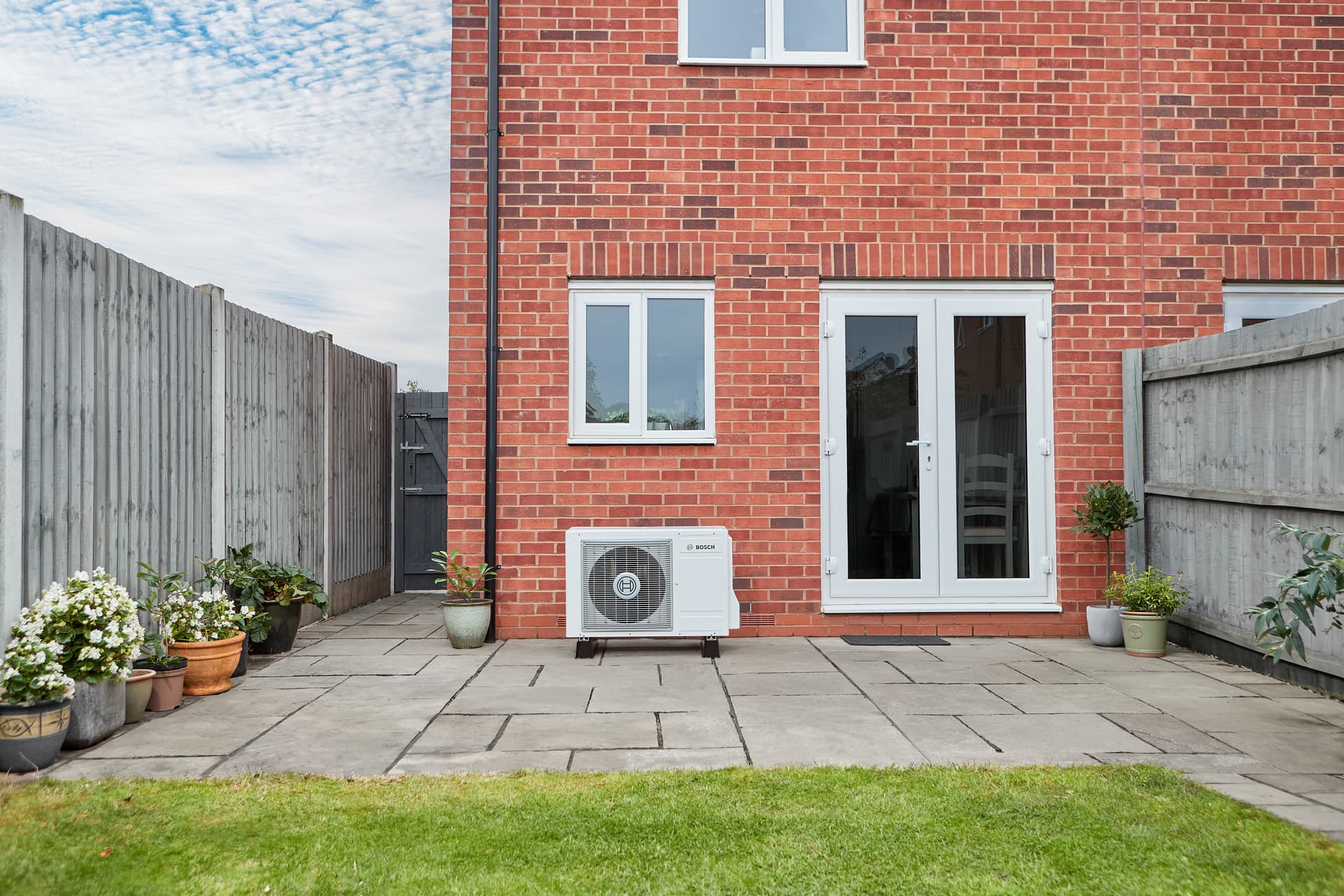
A heat pump and an existing boiler can work together in a hybrid system. The important decision is not simply whether they can be connected. It is whether keeping the boiler gives your home a useful role for both heat sources, or adds complexity without solving a real heating need.
The answer depends on how the property loses heat, the temperature your radiators need, the condition of the boiler and how you use heating and hot water. Those details help determine whether a hybrid arrangement makes sense, or whether a heat pump should take over the heating on its own.
Start with the job the boiler would do
In a hybrid system, the heat pump provides some or most of the heating, while the boiler remains available to support the system when required. Depending on the design, the controls may switch between the two heat sources or operate them in a coordinated way. The aim is to match each source to the demand, not simply to run both by default.
That distinction matters. If the boiler is retained, it needs a defined purpose. It might provide additional heat when demand is high, or support parts of the heating or hot-water arrangement. If the heat pump can meet the home’s needs effectively by itself, keeping a boiler may add equipment and control requirements without adding much practical value.
Before deciding, ask what the boiler is expected to do, when it will operate and how the controls will decide. If those answers are vague, the case for keeping it has not yet been properly established.
Compare the home’s heating demand with its emitters
A heat pump generally works most effectively when it can heat the home using water at a lower temperature than many conventional boiler systems. Whether your existing radiators can do that depends on the heat the rooms need and the size and heat output of the radiators. Their age alone does not tell you whether they are suitable.
Room-by-room heat loss is useful here. It helps show how much heat each space needs, rather than relying on a broad impression of the whole house. The next question is whether the existing radiators can deliver that heat at a temperature suitable for the proposed system. Some may be adequate; others could need a different size or arrangement. A boiler can sometimes provide another source of heat, but its presence does not correct an undersized radiator or poor system design.
A draughty room, an extension with different construction, or a layout that is difficult to heat can affect the decision. In a Kingston terrace or a larger home with varied room layouts, the assessment should look at how the building actually performs, rather than assume one solution fits every property.
Check the boiler’s condition and the value of retaining it
Keeping an existing boiler may seem like a way to avoid changing more of the system at once. But its age, condition, reliability and compatibility with the proposed controls all matter. A boiler that is already unreliable may be a weak foundation for a long-term hybrid setup. Conversely, replacing equipment that remains suitable should not be treated as an automatic requirement without considering the full design.
Think about the likely life of the boiler alongside the expected role of the heat pump. If the boiler is retained, there needs to be a clear plan for how both systems connect, how they are controlled and what happens when the boiler eventually needs replacing. A decision that works for today’s equipment should also make sense for the system you expect to own next.
Decide between hybrid and heat-pump-only
A hybrid approach is worth exploring when the boiler has a useful, clearly defined role and the design benefits from retaining it. A heat-pump-only approach may be more suitable when the building and emitters can meet the heating requirement without boiler support, and keeping the old system would add unnecessary complexity.
Neither option should be chosen from the boiler label or a quick visual check of the radiators. The decision needs to account for heat loss, how much heat the radiators can provide, hot-water demand, existing pipework, controls and the boiler’s condition. Ask for the reasoning behind the recommendation, including what assumptions have been made about how you heat the home.
We provide renewables services for homeowners in Camberley and Kingston. If you are comparing a hybrid system with a full changeover, our Renewables overview explains the service. Here at Optimal Climate, we can help you consider which questions need answering before you commit to a design.
Other Articles